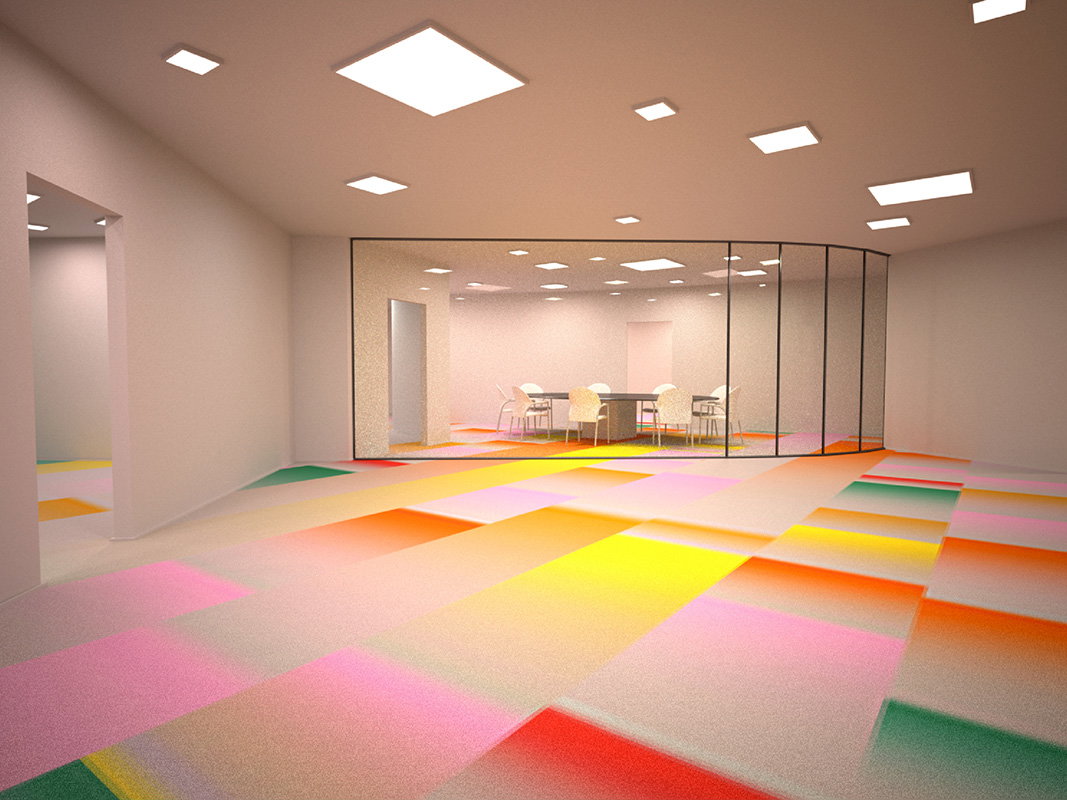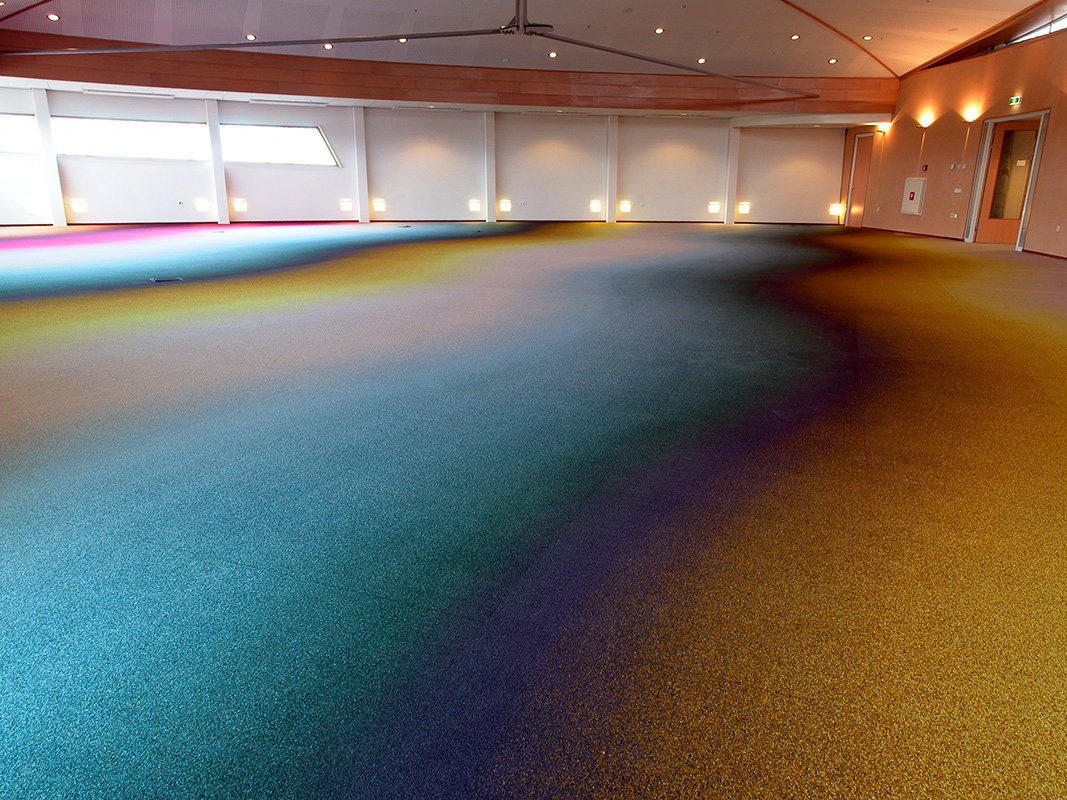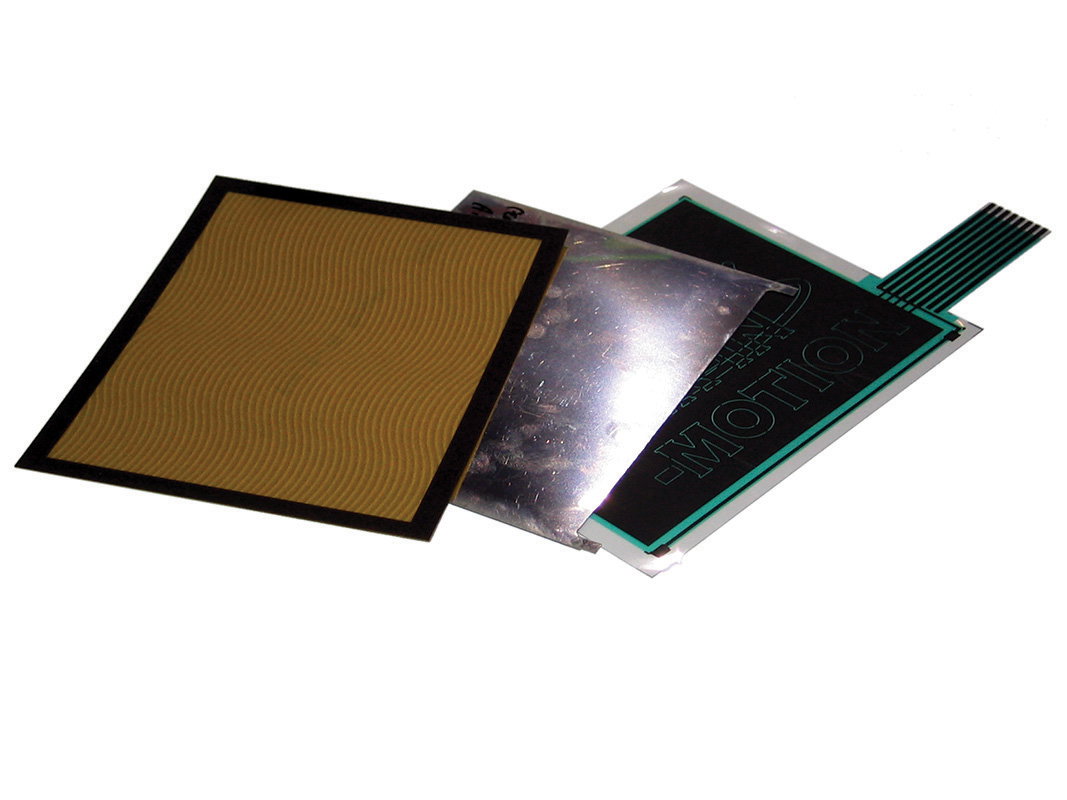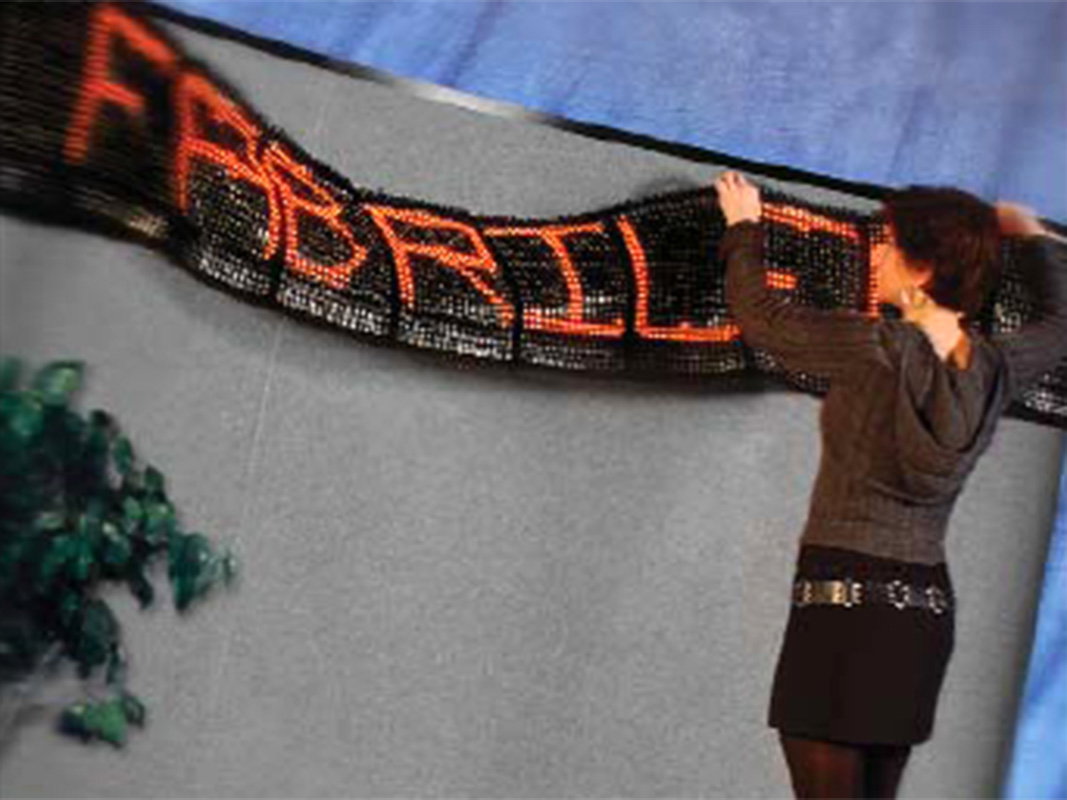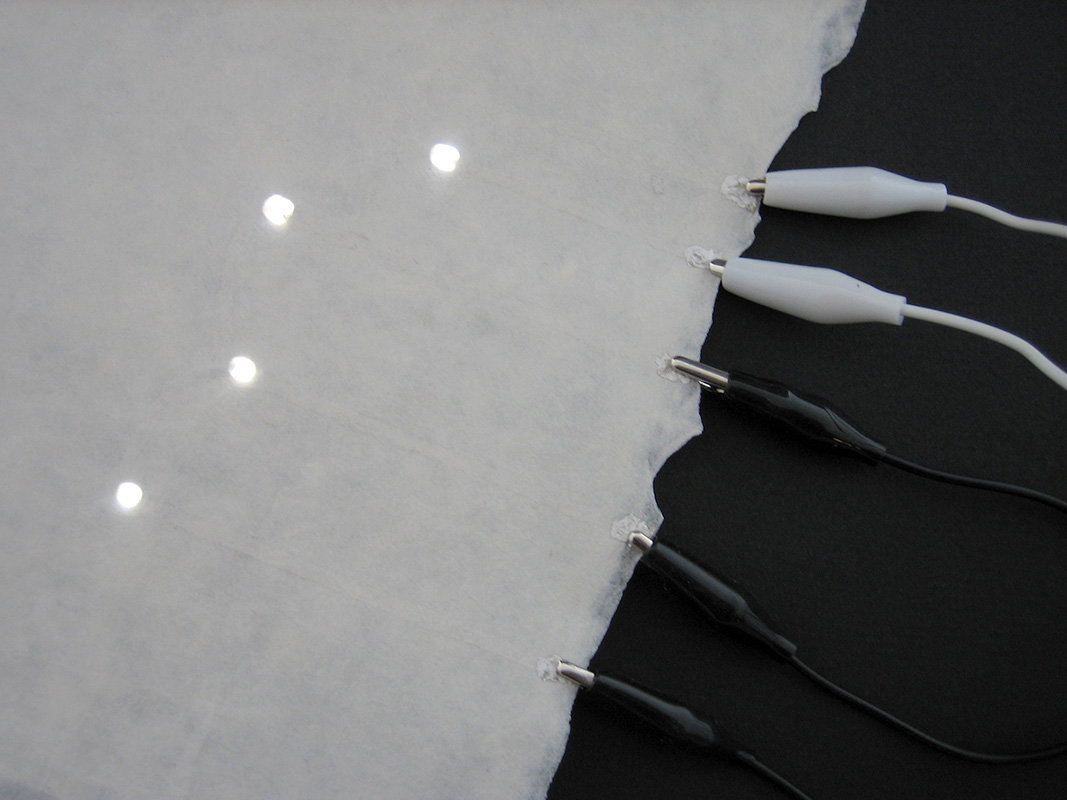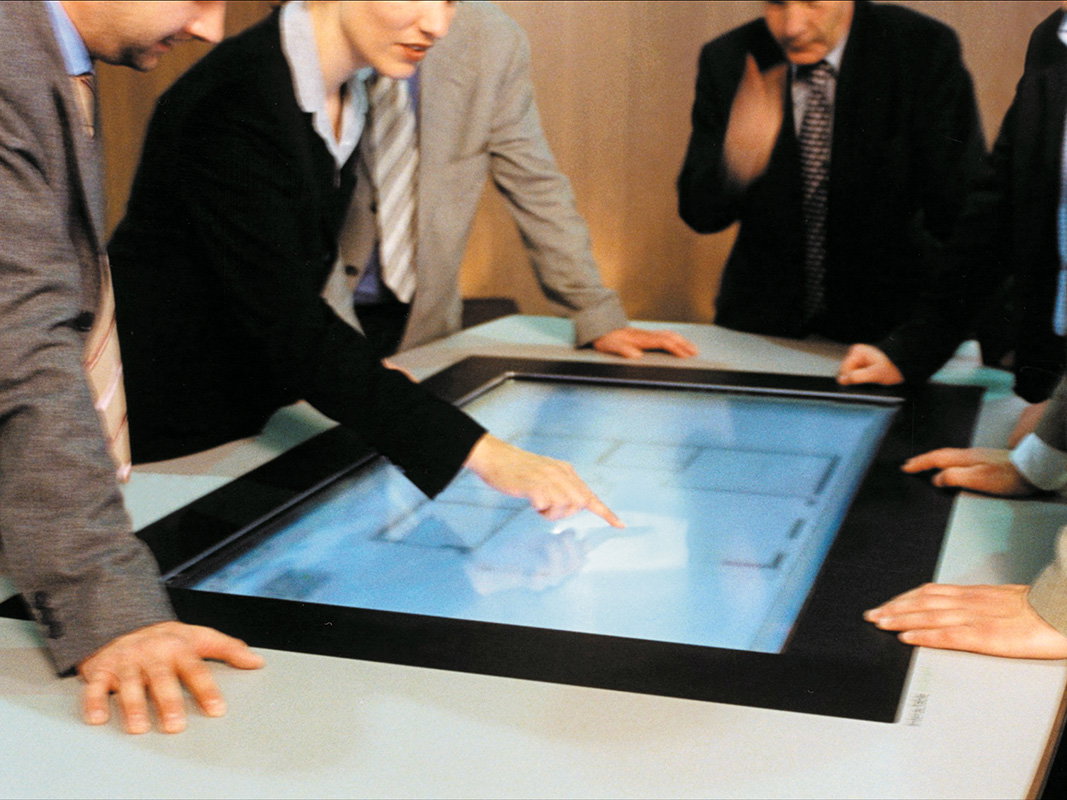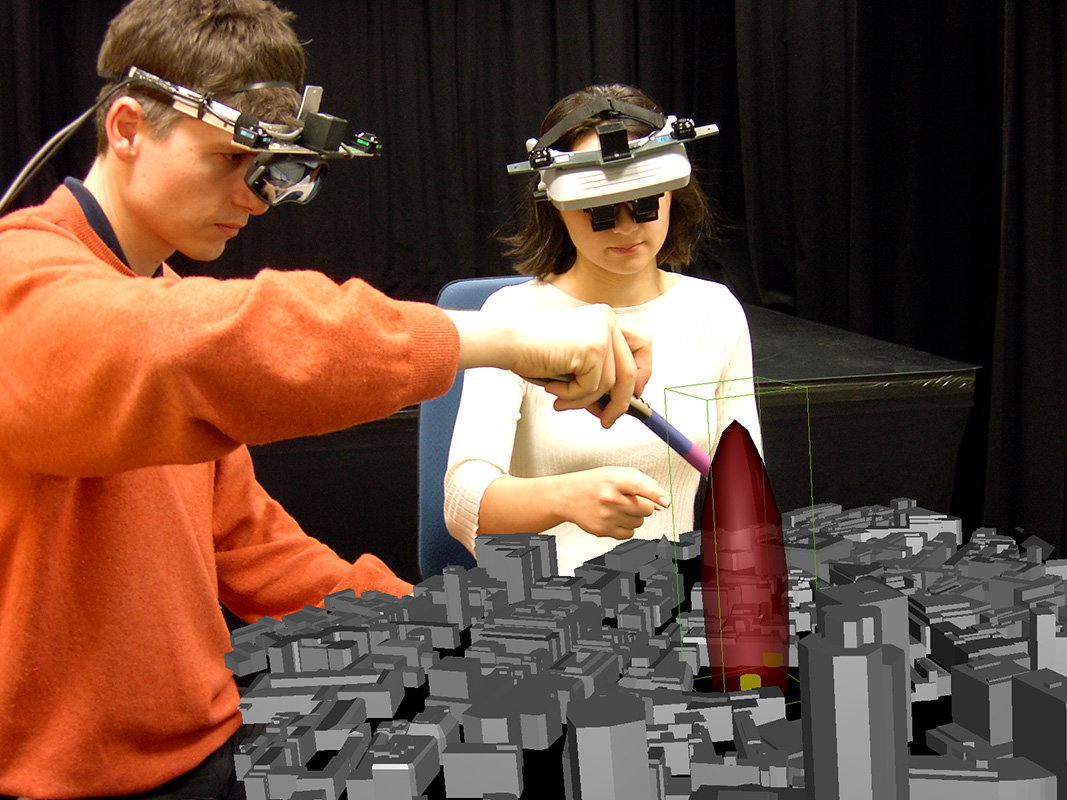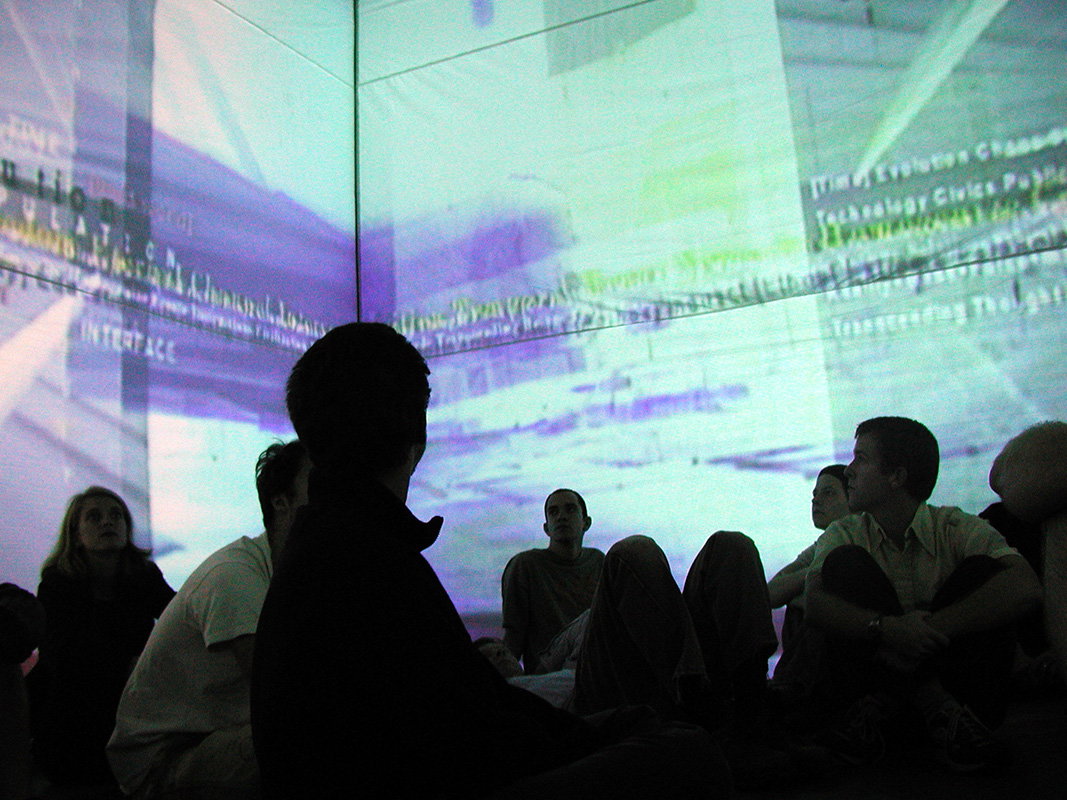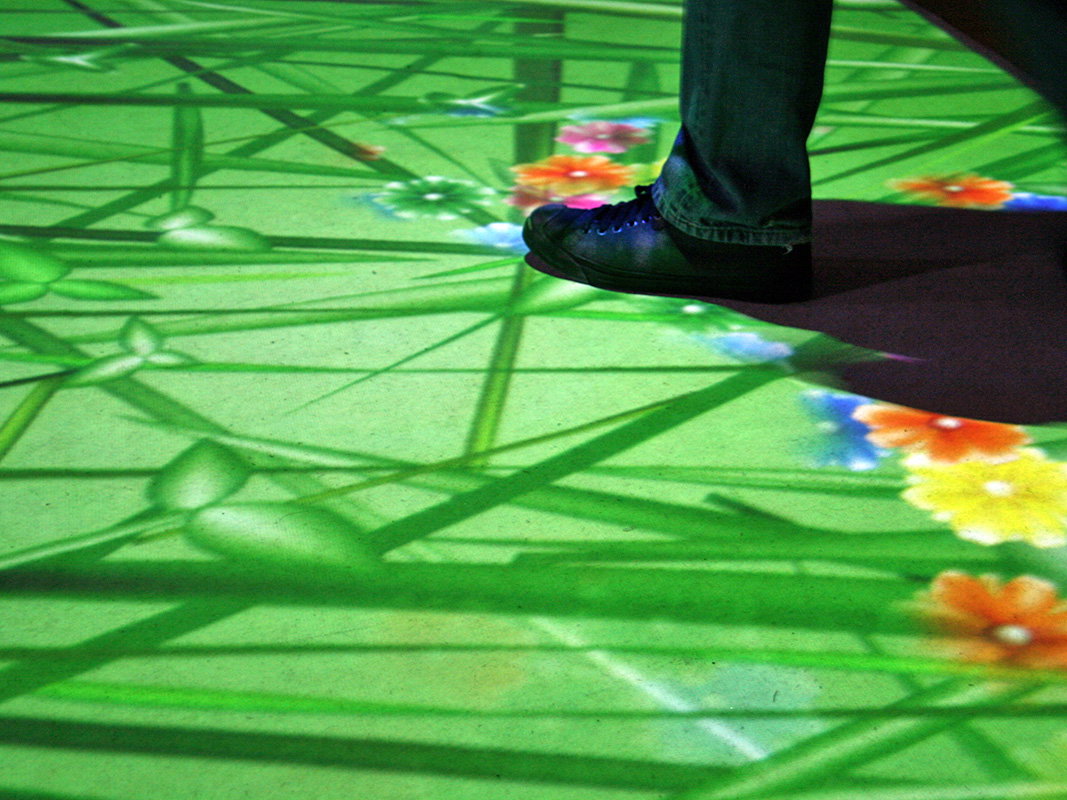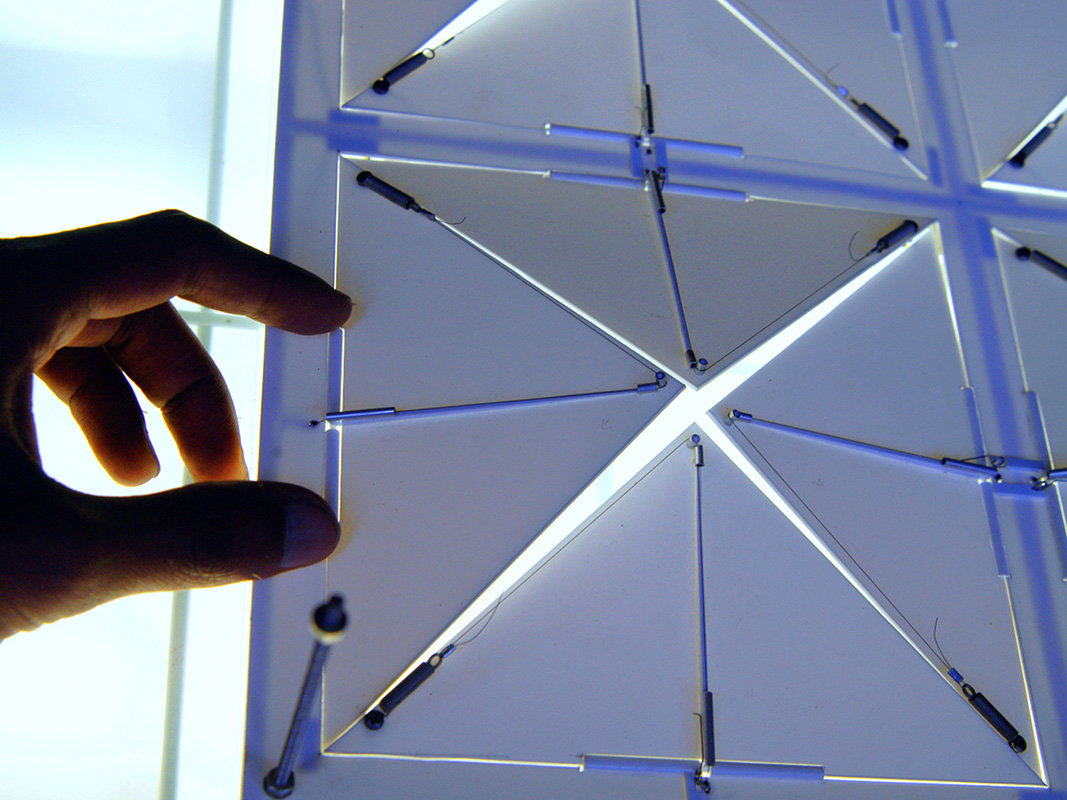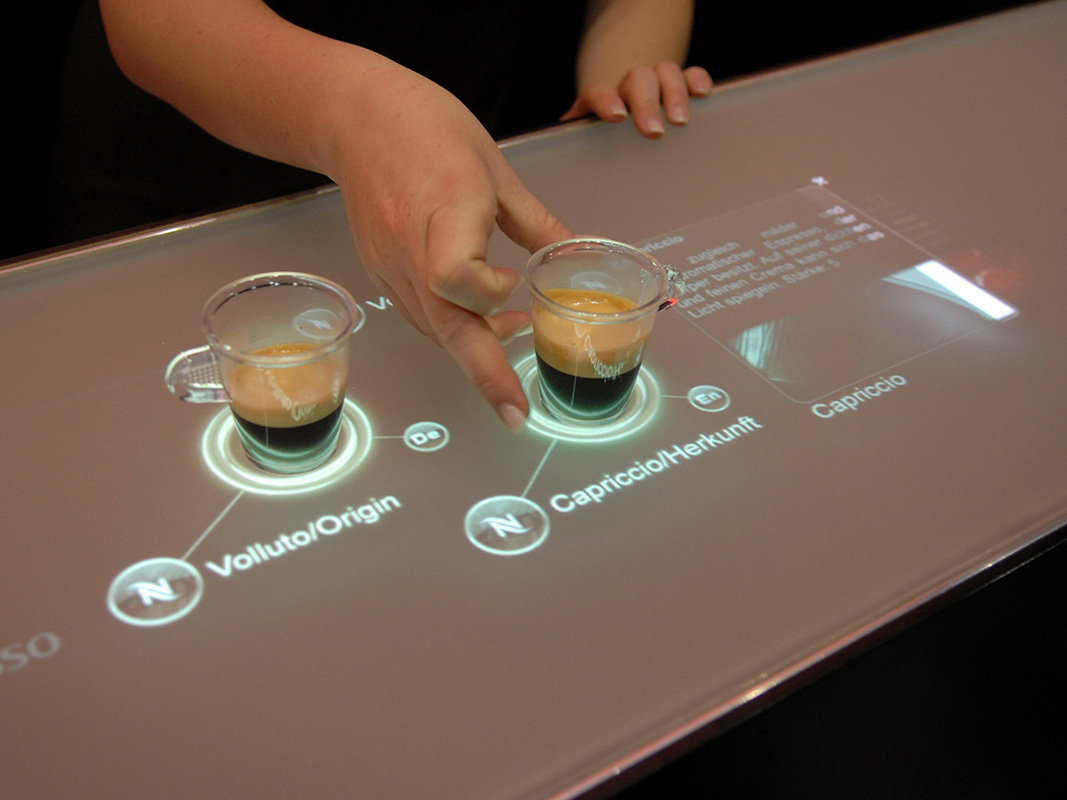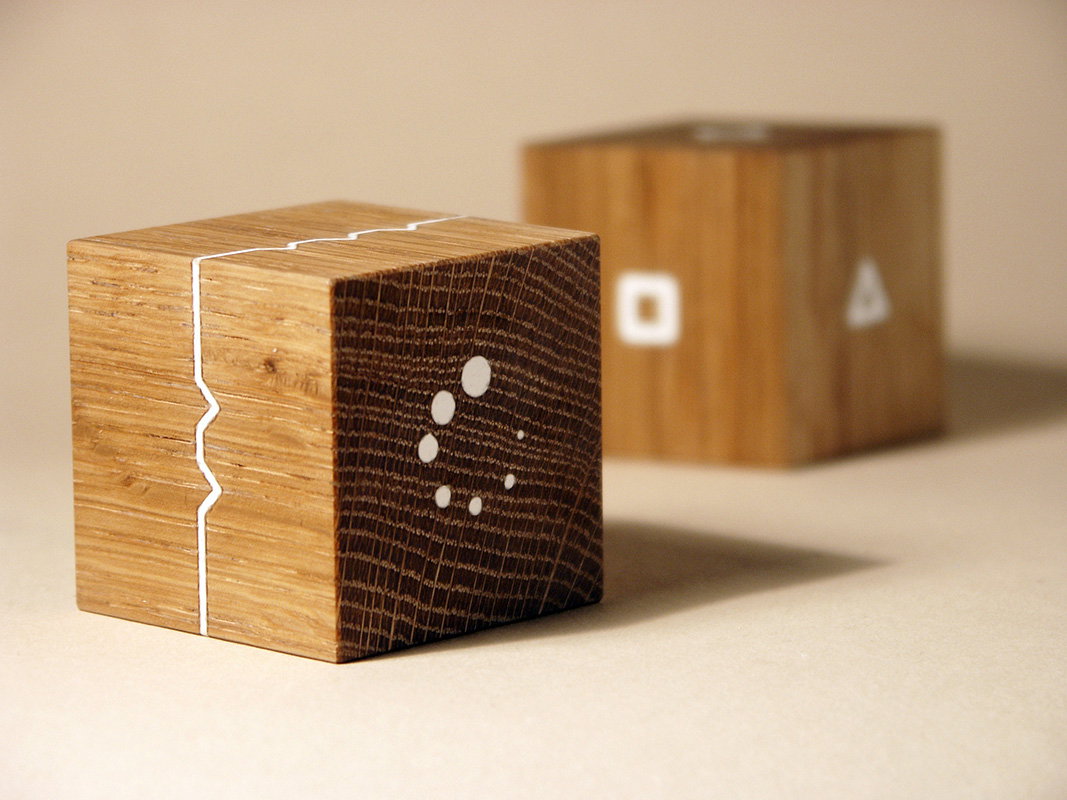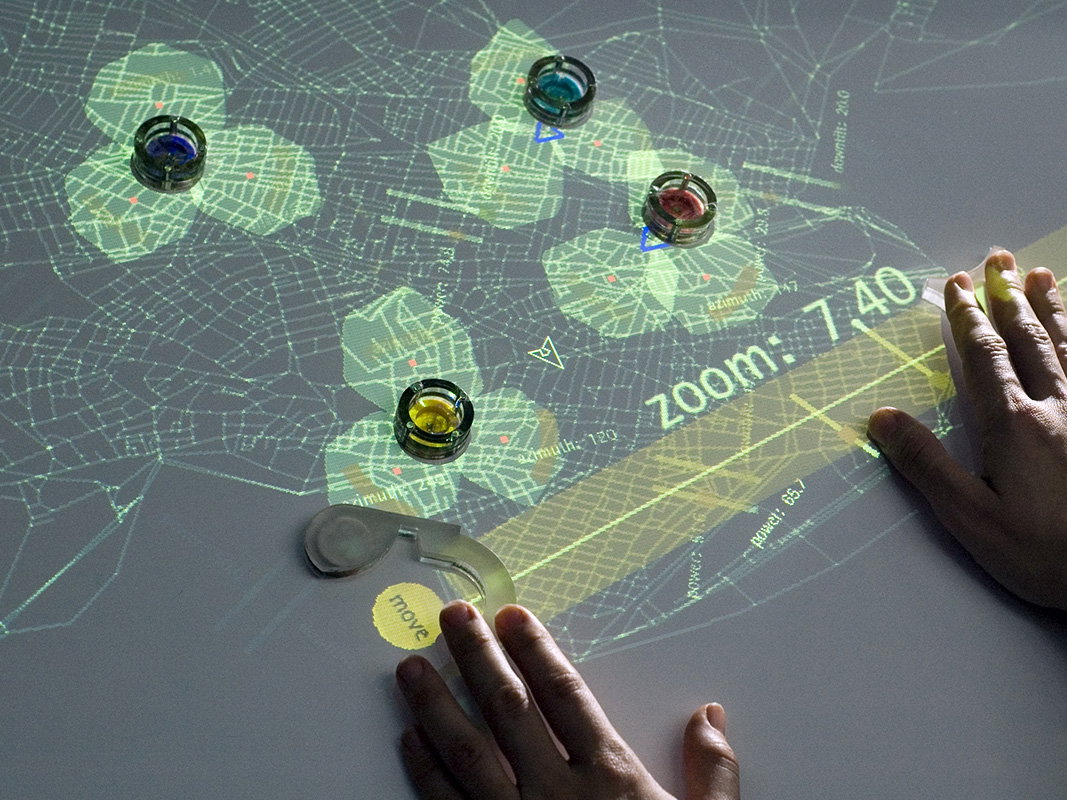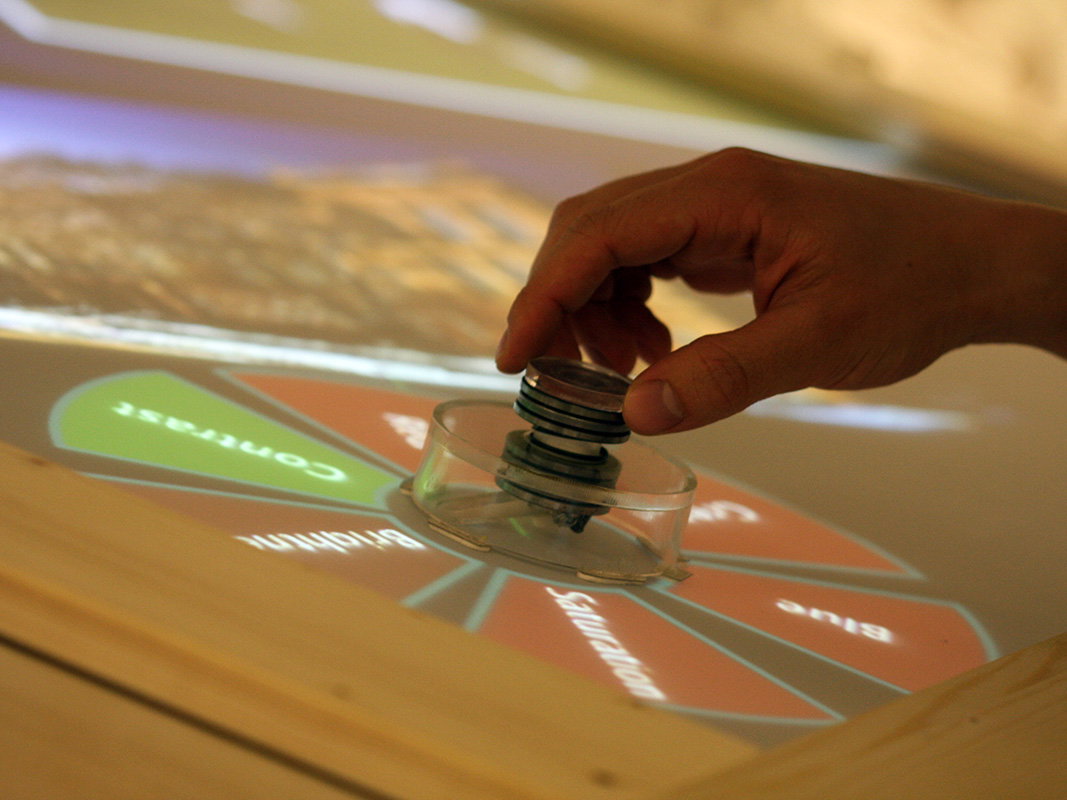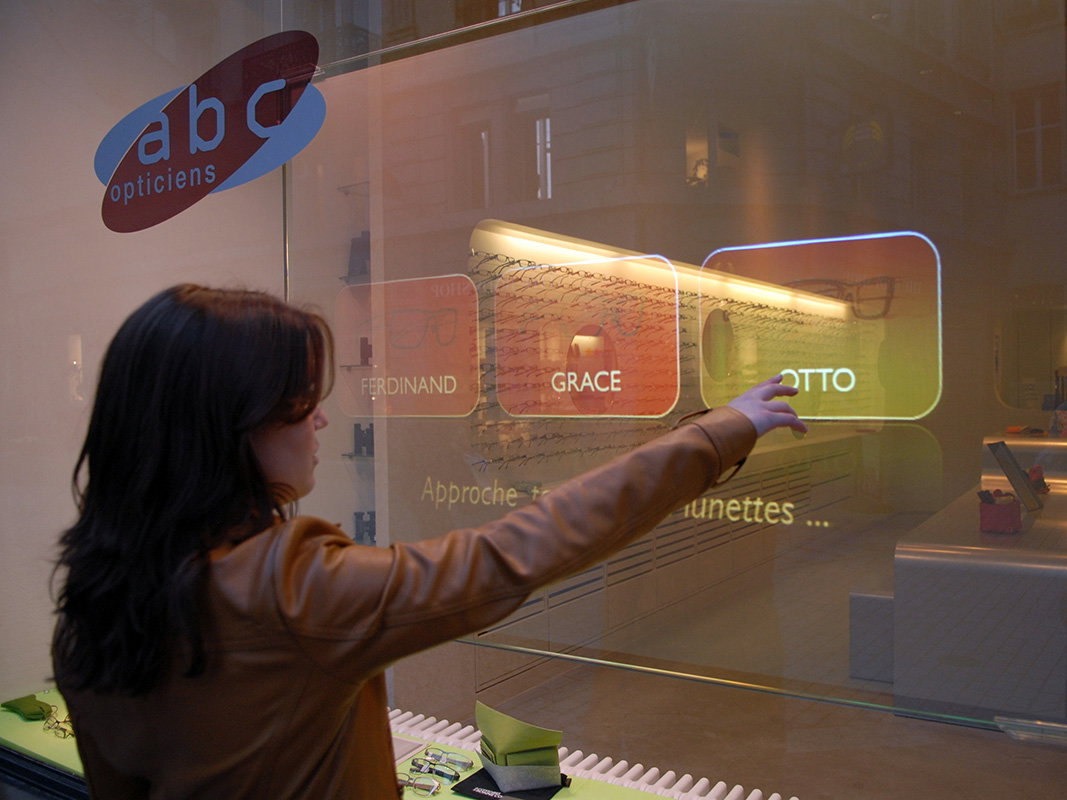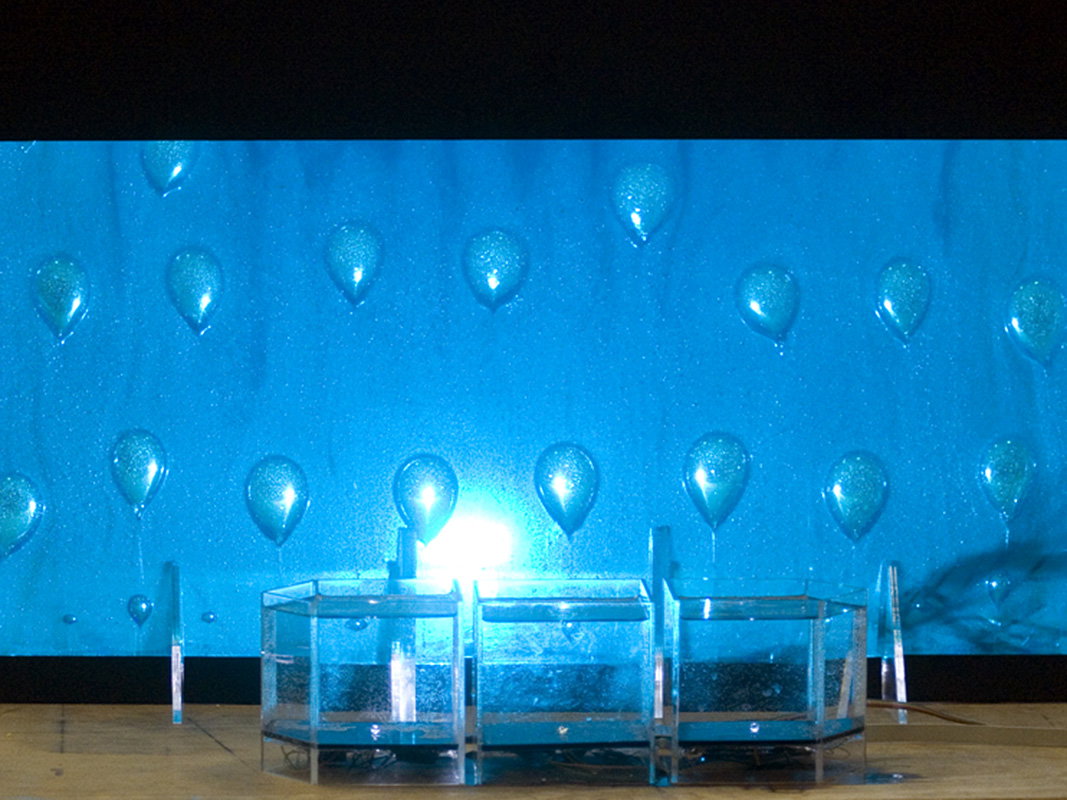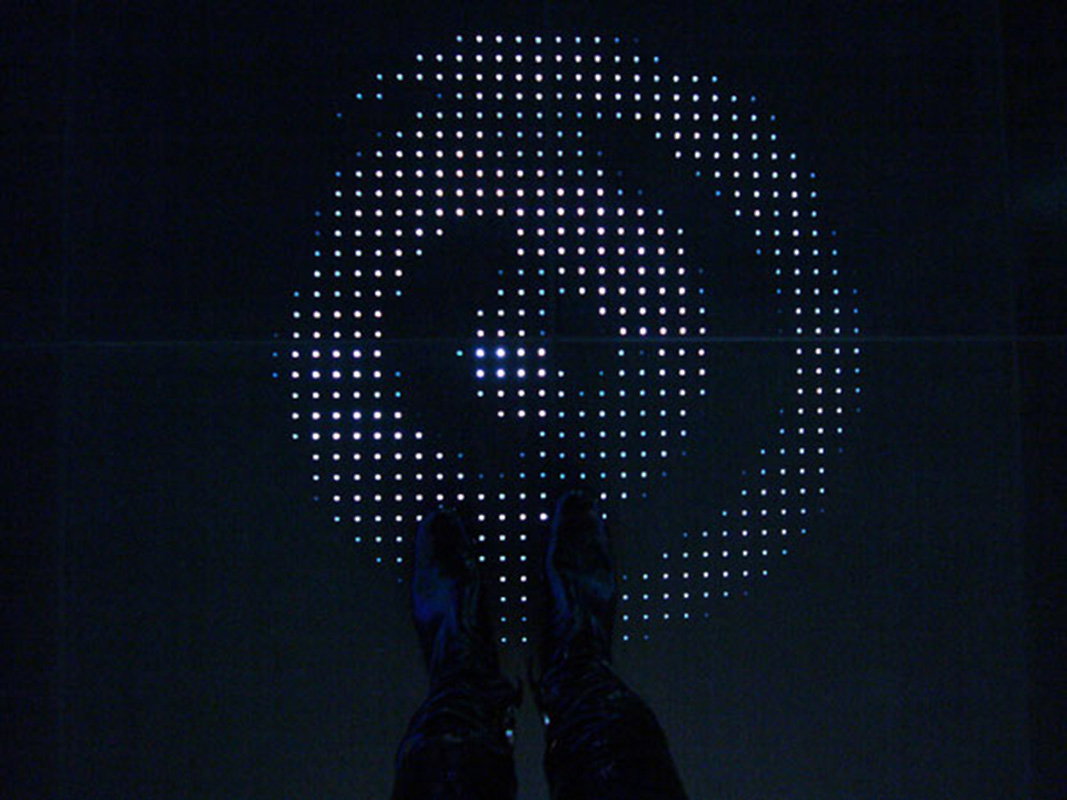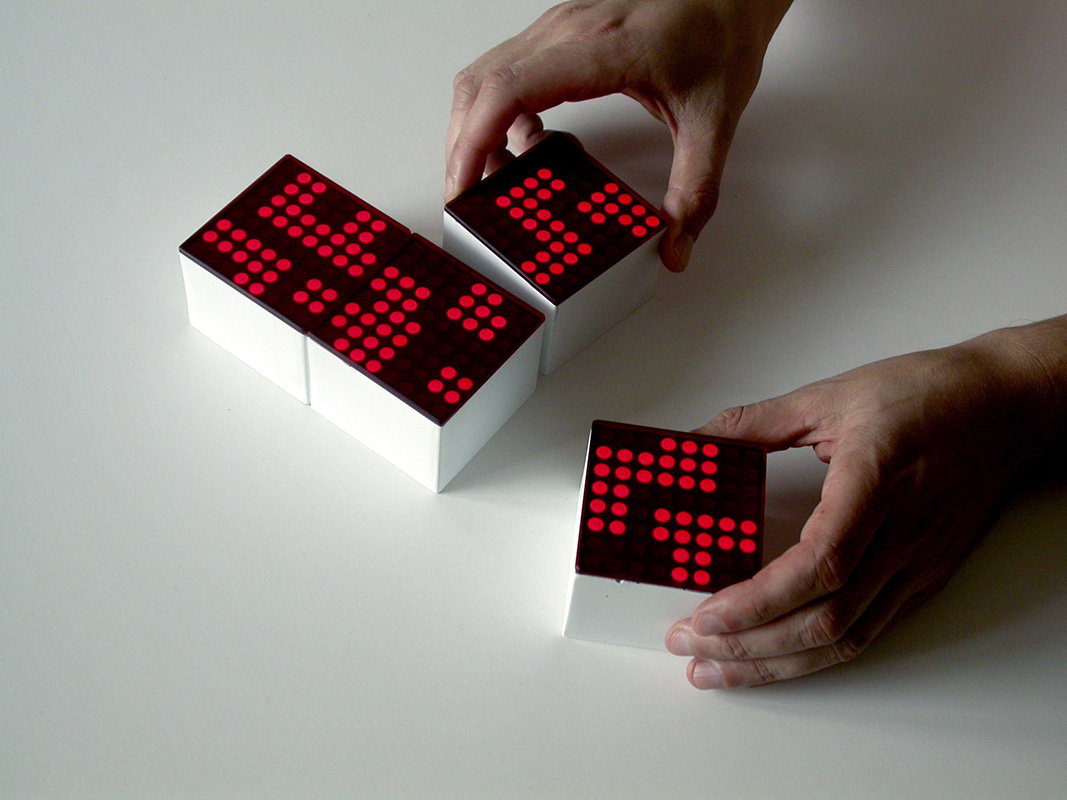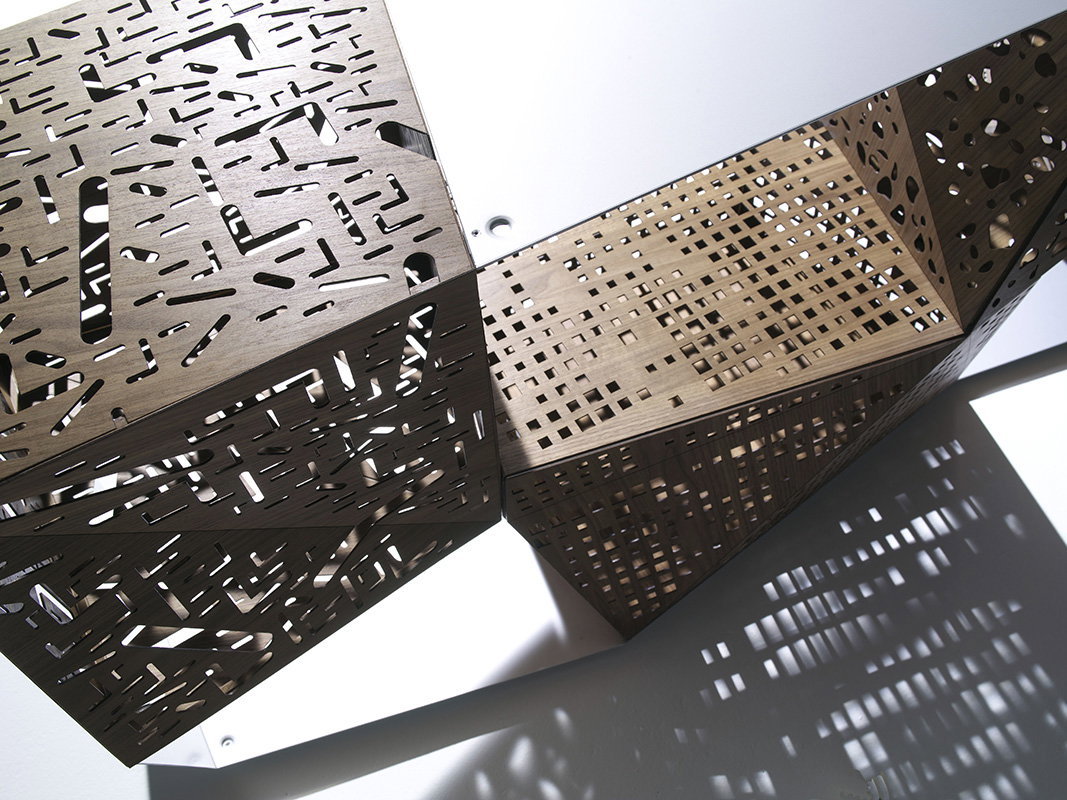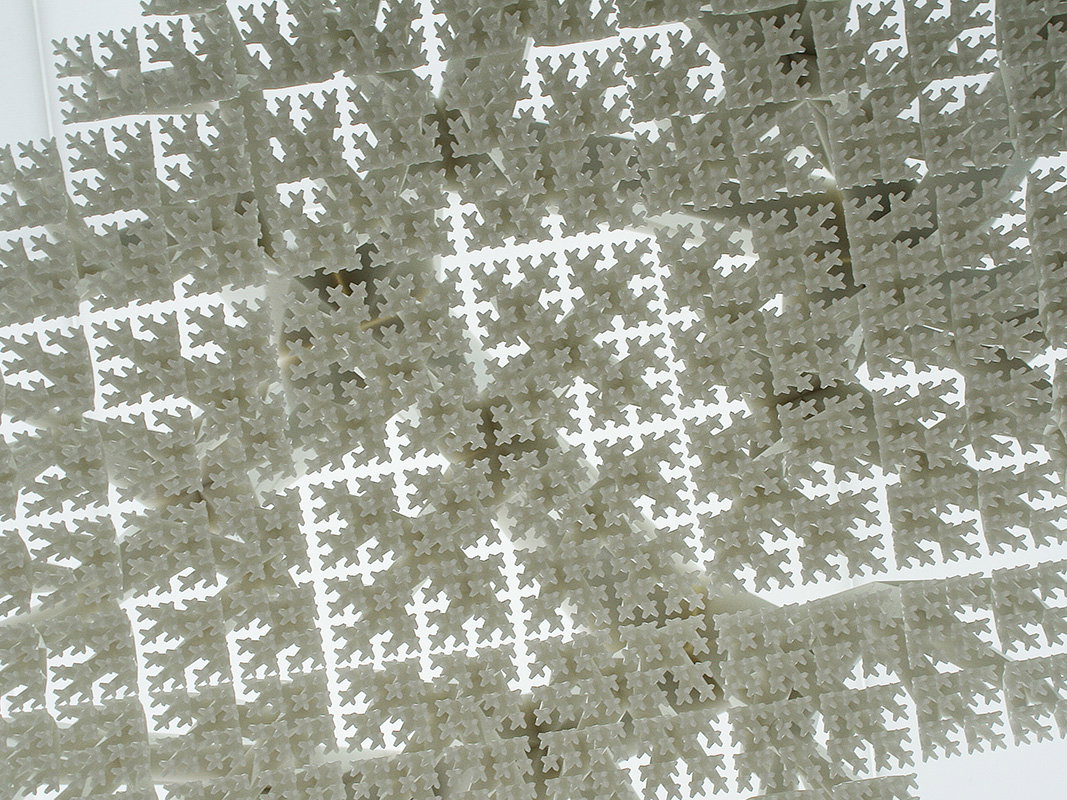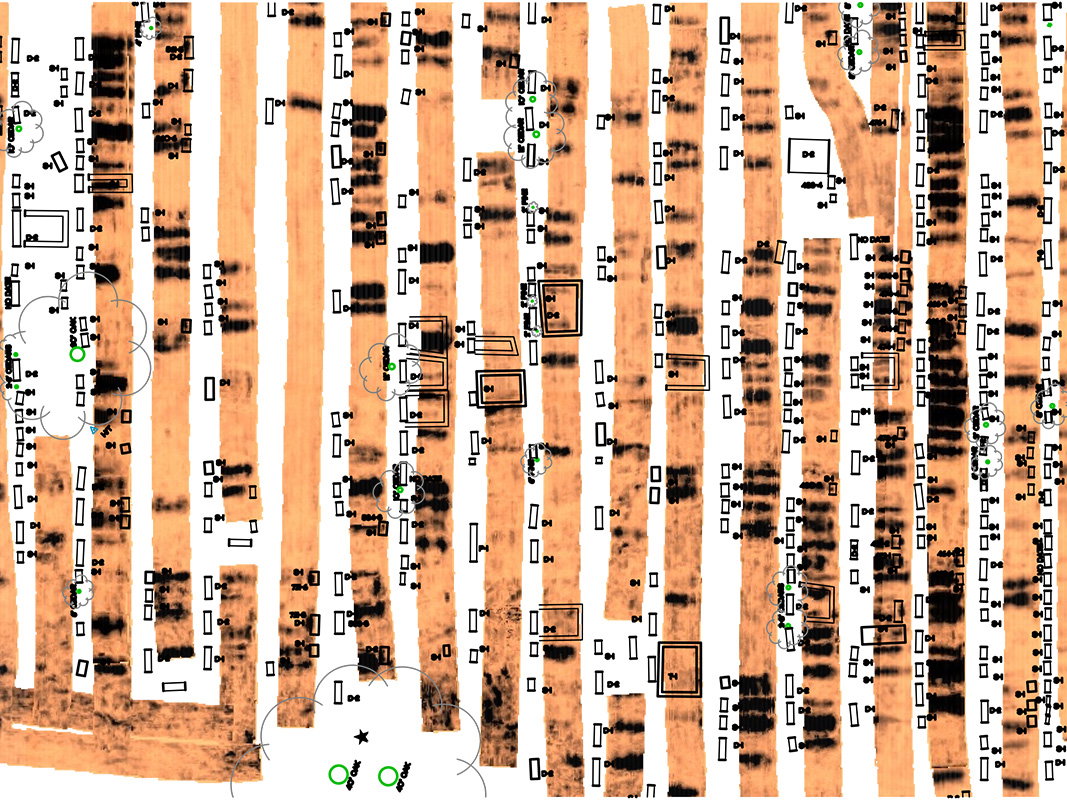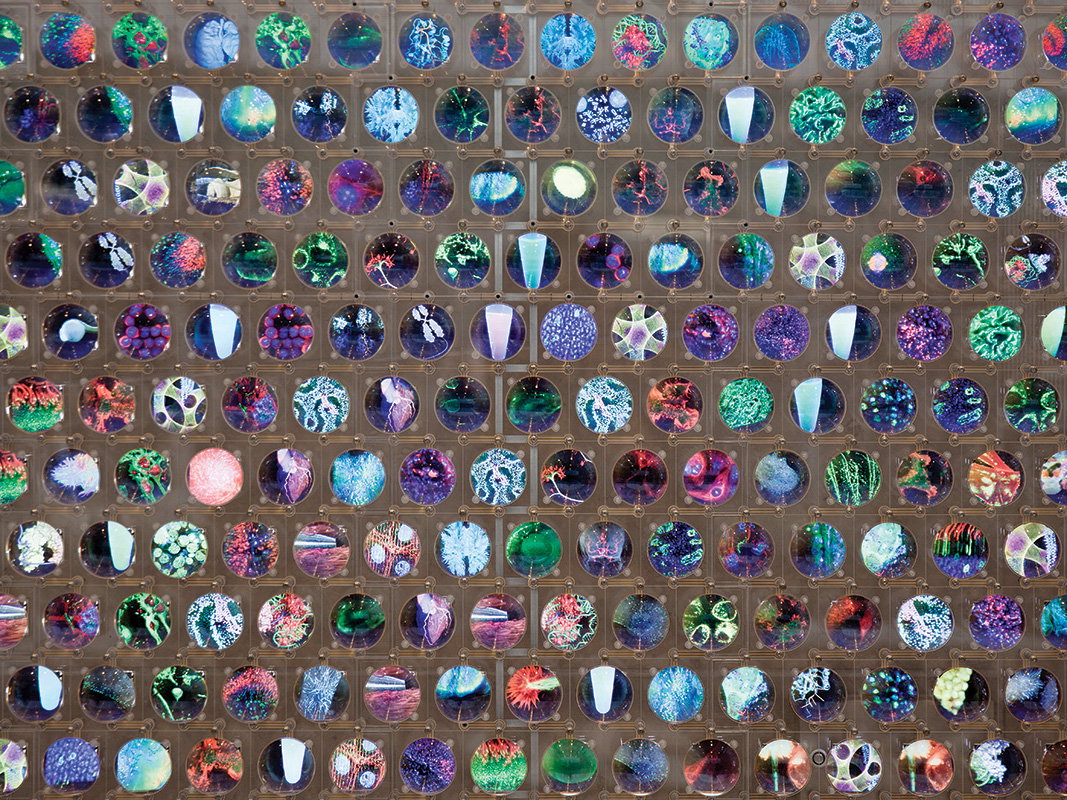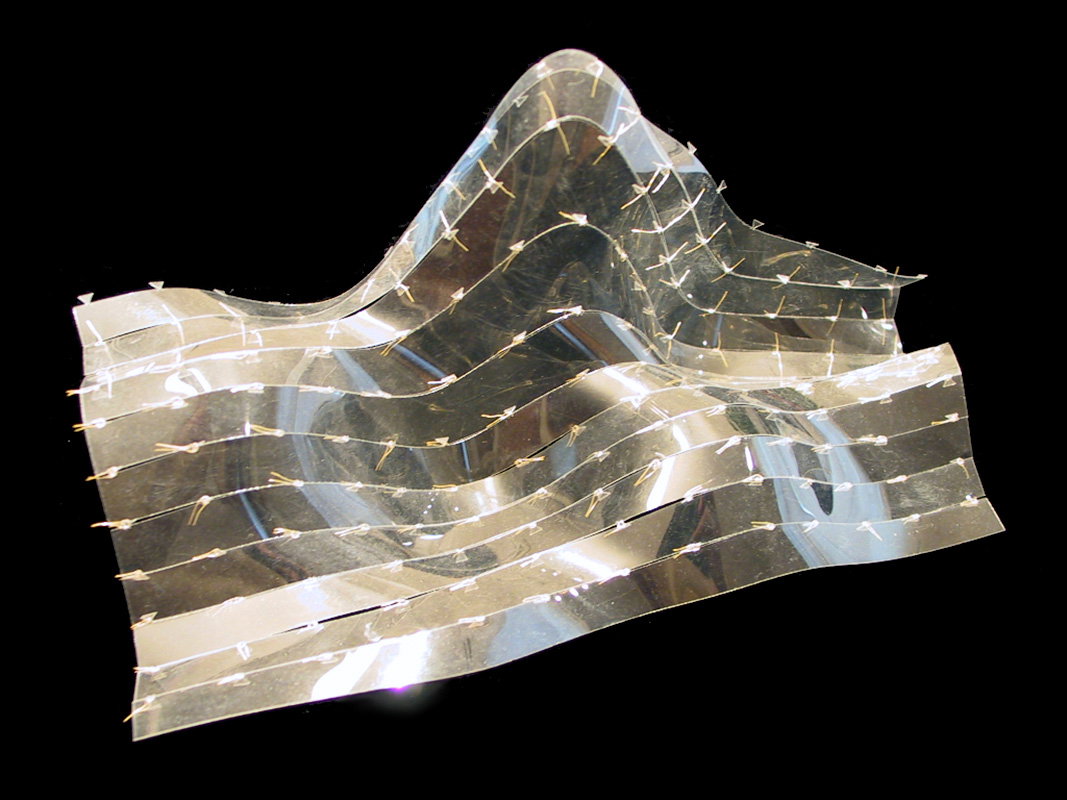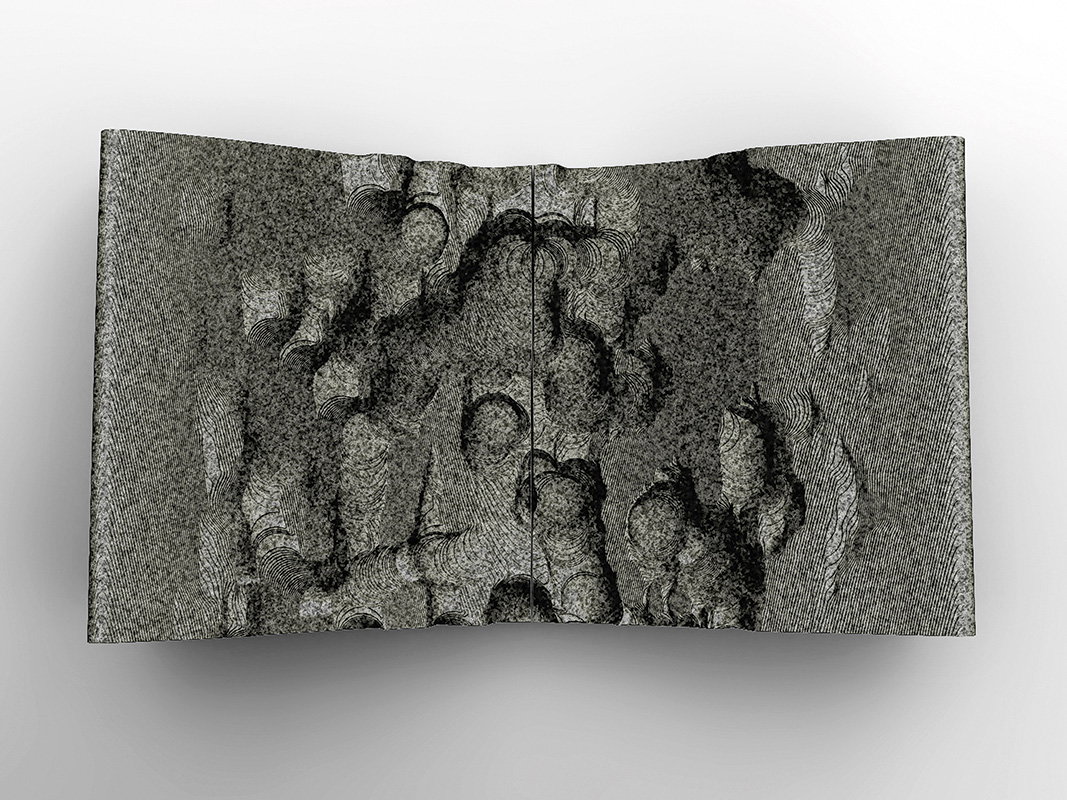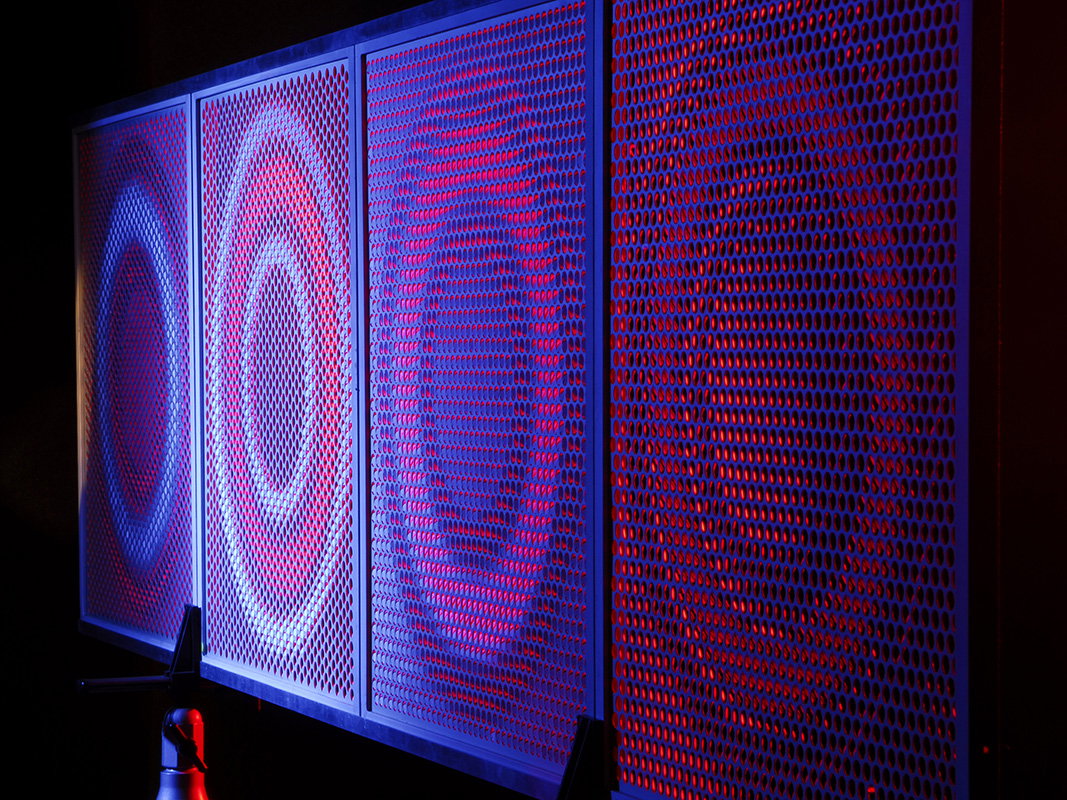
The interface has been a popular design focus since the birth of the digital age. Interfacial materials, products, and systems navigate between the physical and virtual realms. As we spend greater amounts of time interacting with computer-based tools and environments, the bridges that facilitate the interaction between the two worlds are subject to further scrutiny.
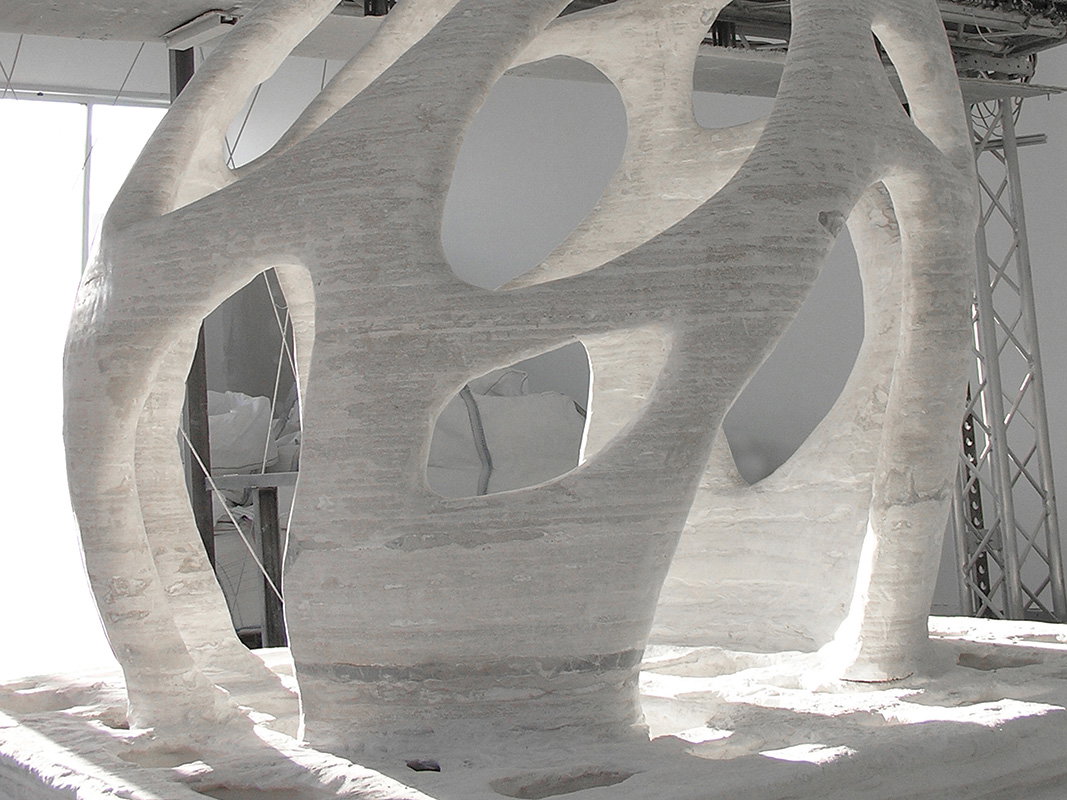
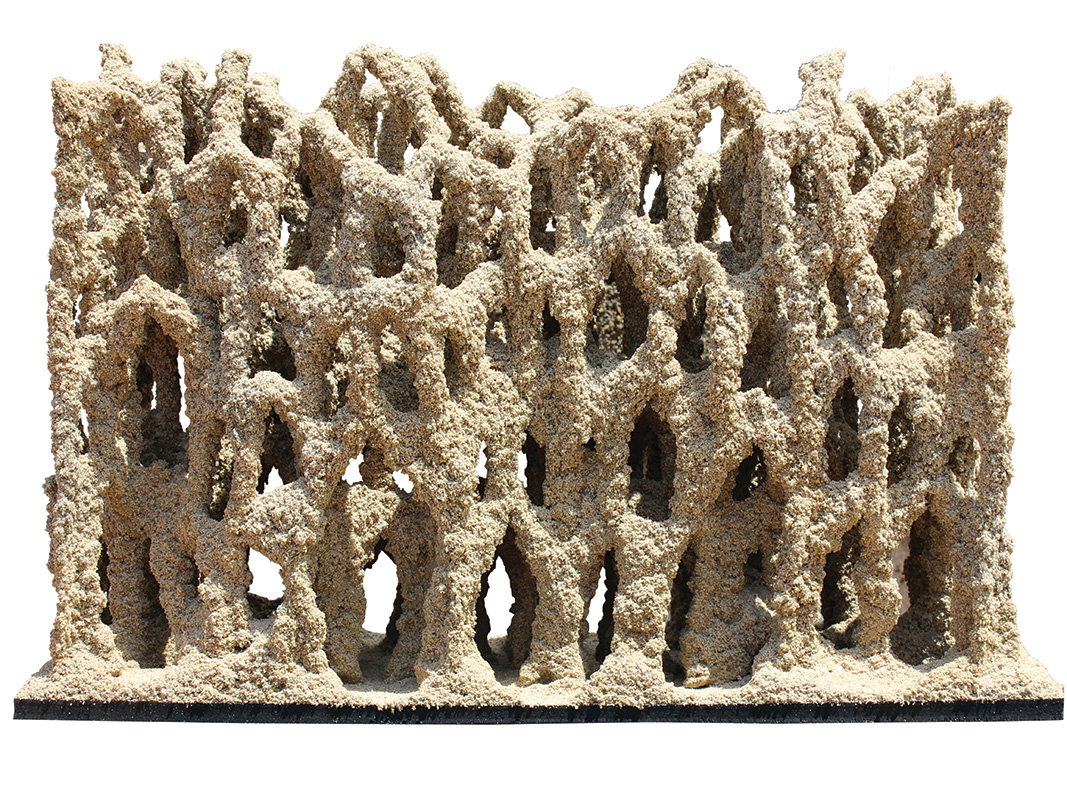
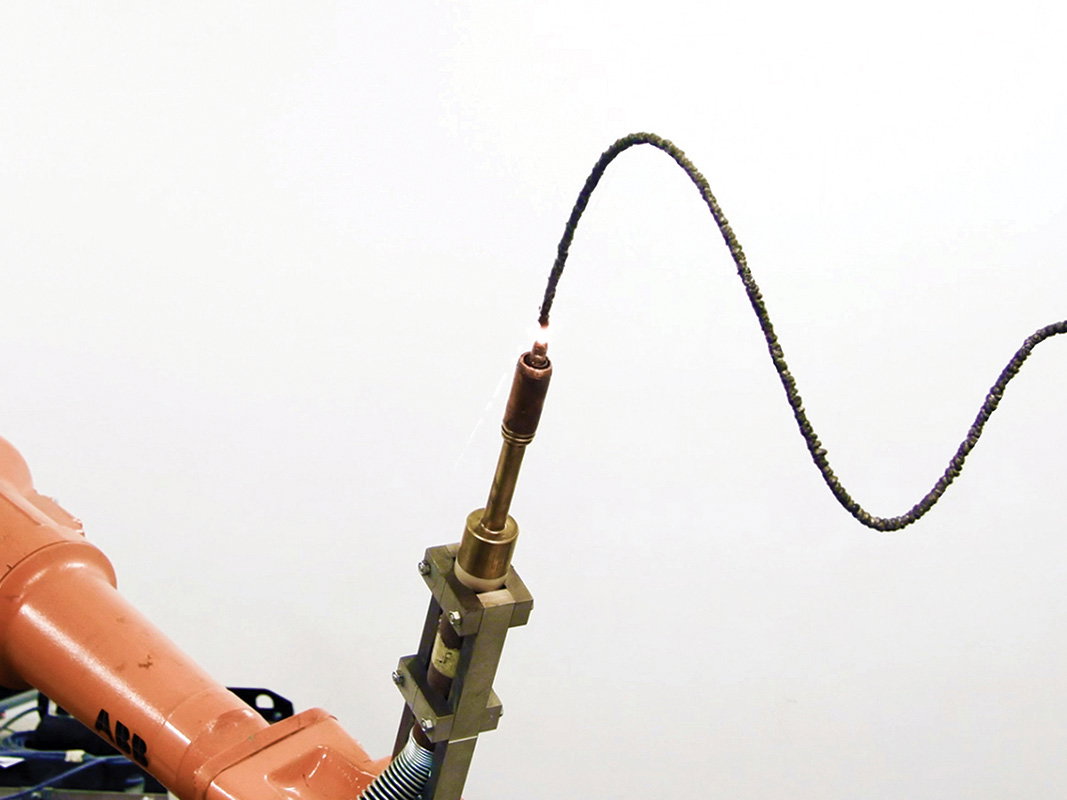
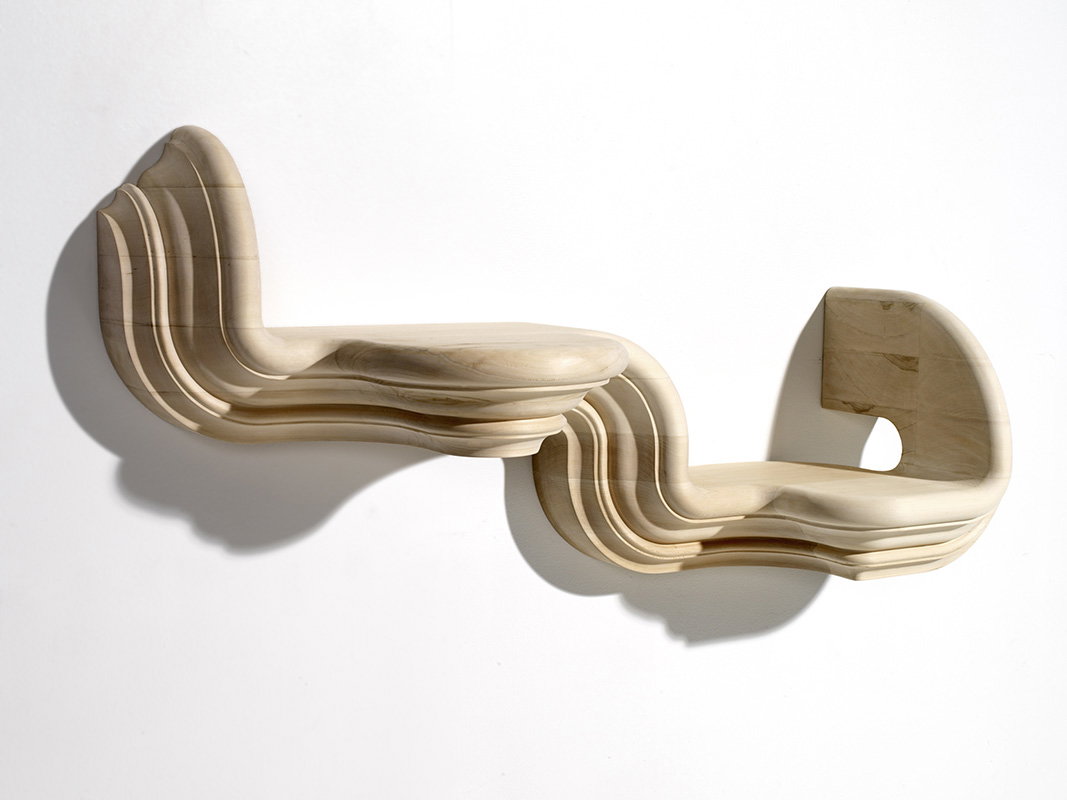
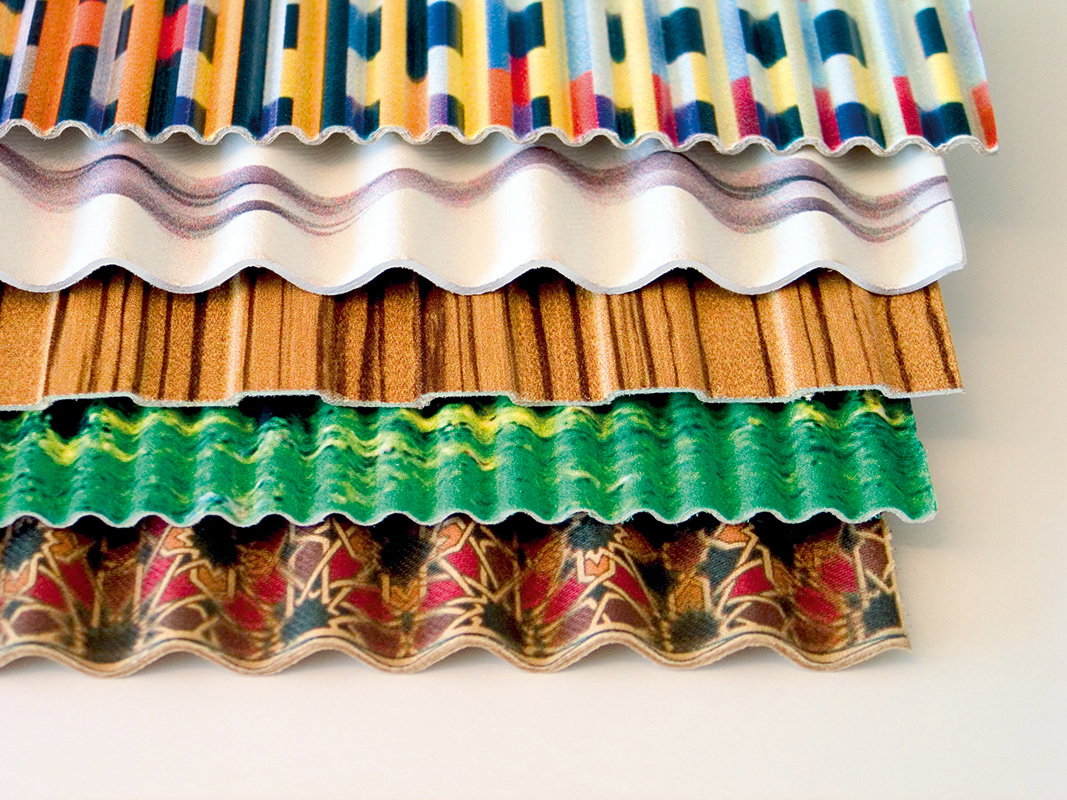
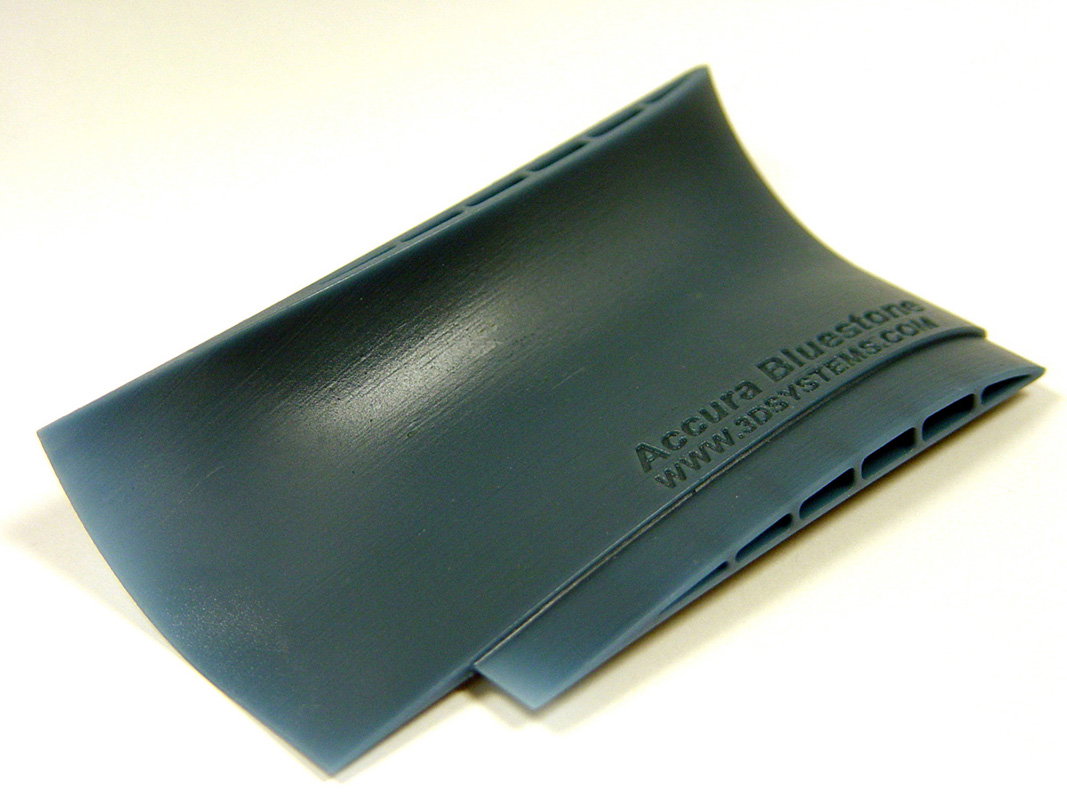
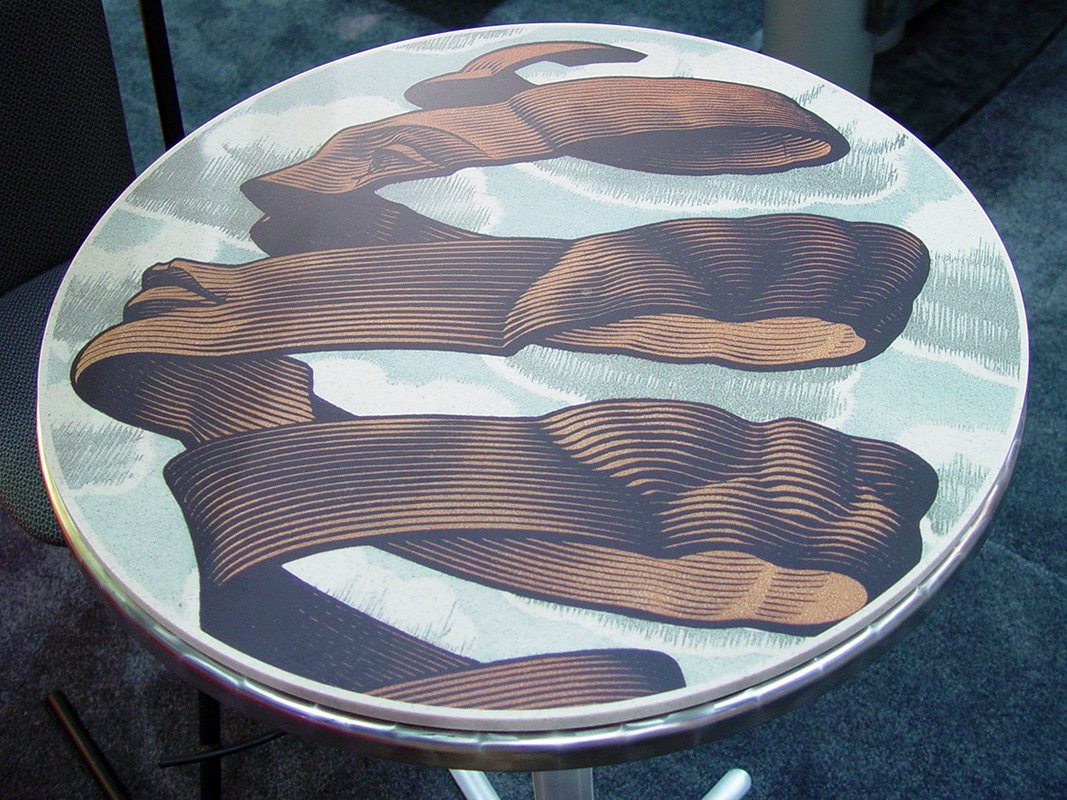
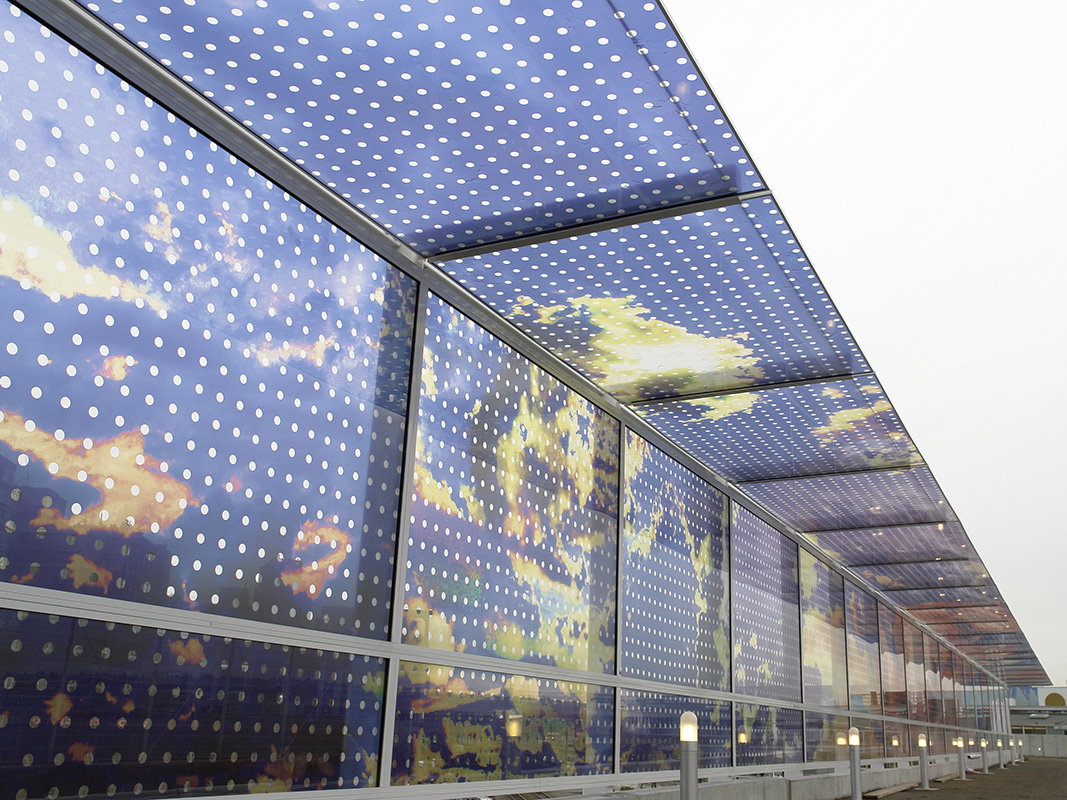
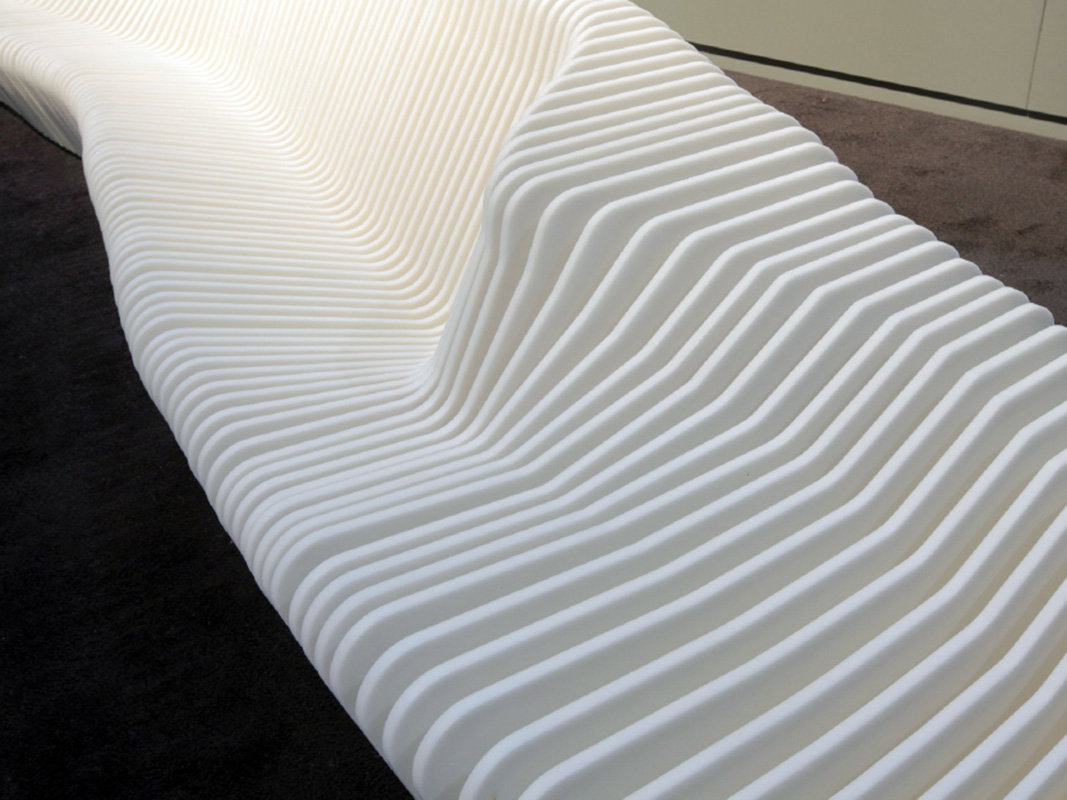
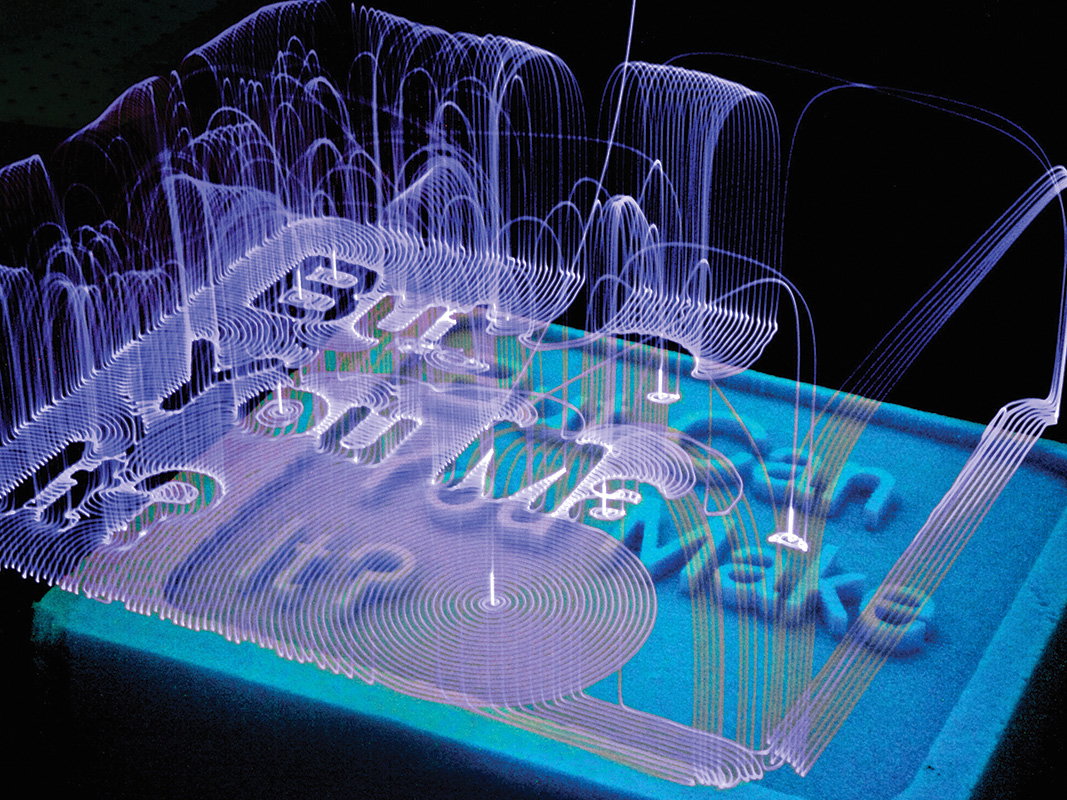
So-called interfacial products may be virtual instruments that control material manufacture or physical manifestations of digital fabrications. These tools provide novel capabilities such as enhanced technology-infused work environments, rapid prototyping of complex shapes, integration of digital imagery within physical objects, and making the invisible visible.
Interfacial materials employ the latest computing and communications technologies and suggest future trajectories for society. Interfacial materials are not infallible, but they expand our capabilities into uncharted territory.