Stress-detecting concrete
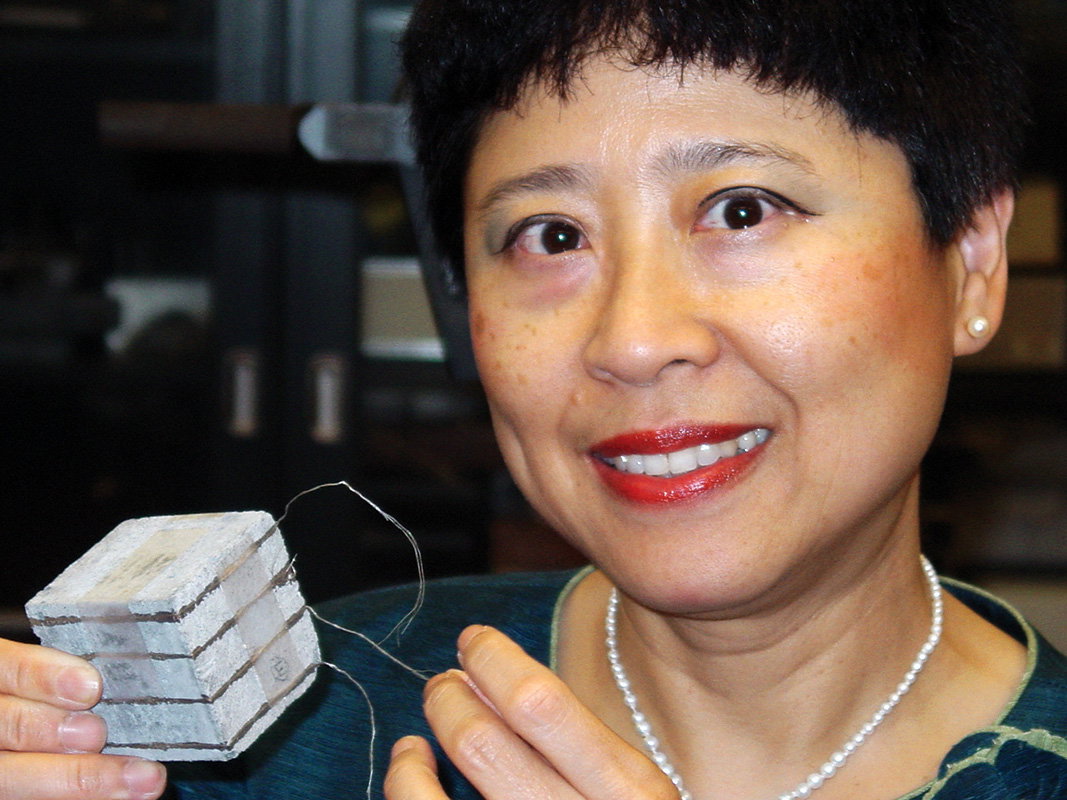
Smart concrete is capable of sensing the increase of stresses and early formation of cracks in concrete. This capacity is achieved by adding short carbon fibers to a standard concrete mix. In the presence of structural flaws or added structural loads, the electrical resistance of the concrete increases. Changes in resistance are measured by electrical probes attached to the concrete. Developed by University at Buffalo scientist Deborah Chung, Smart Concrete is intended to anticipate failures in critical infrastructure such as levees, dams, and tunnels. The material may also be used to detect earthquakes and monitor traffic flow or building occupancy.
Aggregate, water, cement, carbon fibers, electrical probes
Levees, dams, and other critical infrastructure; building structure and foundations
Vary
Enhanced longevity for concrete structures
Laboratory tests
Approximately 30 percent more expensive than conventional concrete
Increased resilience of buildings and infrastructure via early hazard detection and mitigation
Deborah Chung
University of Buffalo Mechanical and Aerospace Engineering